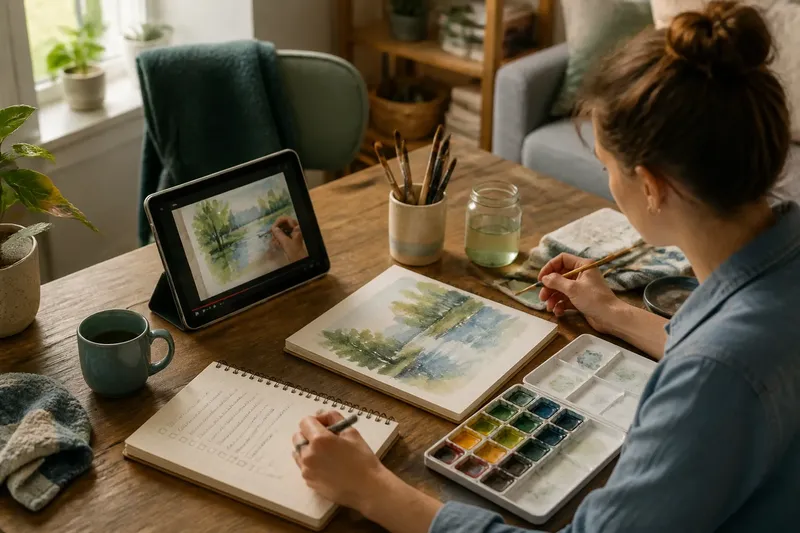
Why Familiar Pastimes Feel Different When You Change the Setting
See how a change of light, sound or surface can reshape a familiar pastime, and choose surroundings that suit the way you want to enjoy it.
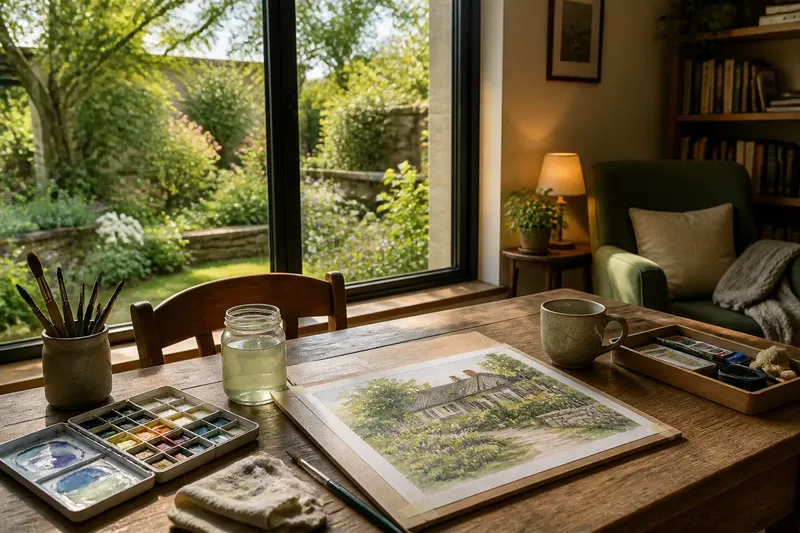
You open a sketchbook at the kitchen table, but the overhead light flattens the pencil marks and the fridge clicks on behind you. Carrying the book beside a bright window changes what your eyes notice before you have drawn a thing. Familiar pastimes can feel different in a new setting because light, sound, texture and spatial cues shape the experience itself.
The useful question is not simply where to go, but what kind of sensory setting the activity asks for. A view may feed a drawing session; a still, quiet corner may make a difficult passage on the piano easier to hear. The surroundings are part of the pastime, not merely a backdrop.
How does a setting change what you notice?
Light affects contrast and colour: a white page can glare near a bare window, while a shaded lamp can make the lines in a knitting pattern easier to distinguish. Sound changes the texture of an activity too. The soft rustle of leaves may sit comfortably beside reading, whereas a nearby conversation can pull attention from every paragraph.
Surfaces and temperature matter in less obvious ways. Watercolour paper needs a stable support, while a soft chair may suit listening to an album. A cold draught at the back of your neck can become more noticeable during a quiet pastime than during a brisk walk.
Rather than reaching for “novelty”, identify the sensory feature you want more or less of: a clear view, softer light, a steady surface, gentle background sound, or room to move. That turns a vague urge for a change into a choice tied to the pleasure you want from the activity.
Which sensory setting suits each pastime?
Different activities invite different surroundings. The aim is to match the environment to the way you engage, not to find one ideal corner for everything.
- Reading: Check whether the page is evenly lit and whether nearby sounds make you reread lines. If glare or noise breaks your attention, turn the chair away from the window or move to a quieter seat; if the light is comfortable and sounds recede, stay put.
- Drawing: Notice whether the view offers details you want to sketch and whether your paper stays steady. If passers-by or wind interrupt, face a wall or move indoors; if the scene holds your interest and your materials remain manageable, keep that view.
- Handwork: Check that the light reveals stitches or small pieces and that your hands are comfortable. If you strain to see or the surface wobbles, add a lamp or use a firmer table; if the work stays visible and stable, avoid adding extra equipment.
- Listening to music: Notice whether outside sounds mask quiet passages or whether the room feels uncomfortably still. If interruptions obscure the music, close a door or choose another room; if the sound is clear and the setting feels right, leave the arrangement alone.
- Playing an instrument: Check whether you can hear your own sound clearly and whether the space allows the movement you need. If a reflective room makes the notes muddy or a chair restricts your posture, change rooms or seating; if you can hear and move freely, keep the familiar setup.
- Cards or puzzles: Check for a level surface, comfortable light and enough room for the pieces or cards. If the table is cramped or shadows fall across it, clear a patch or use a lamp; if the materials are easy to see and reach, there is no need to relocate.
It is not worth buying coloured bulbs, speakers or specialist furniture before you know which sensory feature is actually bothering you. A chair turned away from glare may do more than a collection of new accessories.
How can you tell whether the new setting suits you?
Choose a single sensory change first, so you can notice its effect. Keep the activity itself familiar: the same book, the same pencil, or the same piece of music. Then look for an observable difference, such as fewer interruptions, clearer details or a more comfortable posture.
Say you have a half-finished watercolour on a kitchen table where the ceiling light casts a shadow over the paper. You move the painting, its water jar and one brush to a firm table near a north-facing window, leaving the same colours and subject in place. If the paper is easier to see and the shadow no longer crosses the work, the window table suits this session; if shifting daylight makes the colours hard to judge, return to the kitchen table and try a lamp instead.
That is enough information to make a decision. You do not need a diary, a special outing or a dramatic rearrangement to judge whether a particular combination of light, sound and surface supports the pastime.
What questions come up when changing a pastime’s setting?
Should I choose a quiet place or a lively one?
Match the sound level to the activity and the kind of attention it needs. If conversation keeps breaking your concentration, seek quiet; if repetitive handwork feels more companionable with gentle background sound, a lived-in room may suit it.
Can I take a pastime outdoors?
Yes, if the materials and conditions suit it. Before carrying a book, sketchpad or cards outside, check for wind, glare and a stable place to sit; if those conditions interfere, an indoor spot near a window can offer some of the same natural light without the disruption.
What if a new view distracts me?
Turn your seat towards a plain wall, or choose a view with slower movement, such as a courtyard rather than a busy path. If the view still pulls your attention away, treat it as a poor match for that activity, not a reason to abandon the pastime.
Does a setting have to stay the same every time?
No. You might prefer a bright window for sketching in the afternoon and a table lamp for reading later. Keep the materials and familiar opening ritual if those help you begin, while letting the setting vary with the activity and the available light.
How can you make a setting change easy to repeat?
Notice the practical details that made the setting comfortable, then keep only what matters. A portable reading lamp may be useful if poor light is the recurring obstacle; carrying a whole collection of decorative objects is unlikely to improve the experience. For materials that need gathering, a shallow tray can hold a notebook, pencils and eraser together, ready to move from desk to window seat.
Use places already available to you: a clear end of the dining table, a library seat with suitable light, or a sheltered corner of a garden. Check that the space is open and comfortable for your intended activity, but avoid turning a simple change of setting into a project.
The search phrase familiar pastimes in a new setting is useful because it points to the real adjustment: choosing surroundings that change what you see, hear or feel while keeping the pastime itself recognisable. When the sensory fit is right, a familiar activity can offer a different kind of attention; when it is not, changing one feature is often enough to make the next choice clear.