The Perfect Hobby Match Is a Myth
A first hobby attempt can reveal what suits you. Learn how to assess the activity, spot setup problems and choose a clear next step without pressure.
You set a borrowed ukulele on the sofa, follow a chord diagram and hear a string buzz under your finger. That sound is one small piece of information, not a verdict on the instrument or your musical ability. To assess a new hobby fairly, look at what the first attempt reveals about the activity, its ordinary demands and the conditions around it.
What can a first hobby attempt tell you?
An early session mixes several things together: unfamiliar tools, instructions, setting and the activity itself. You might enjoy learning a chord but feel lost with a video lesson, or like the idea of sketching but dislike working at a crowded table. Separate these impressions before deciding what you want to try next.
Skill is only one part of the experience. Notice whether you became curious, whether mistakes made you want to keep exploring, and whether the activity’s pace suited you. A beginner’s awkwardness may ease with practice; boredom with the central task may remain.
It is not worth turning leisure into a scorecard. Skip mood ratings, elaborate tracking systems and comparisons with polished work online. A brief note about what held your attention, or what put you off, is enough to help you remember the session.
How do you judge the activity separately from its setup?
Write down the specific friction you noticed while it is still fresh. Was the room noisy? Were the instructions hard to follow? Did you have to wait for equipment or rush through the task? These details suggest whether a change could make the next encounter clearer.
Then consider the activity’s routine demands, not just its appealing moments. Birdwatching can mean waiting outdoors; baking includes washing bowls; learning an instrument involves repeating phrases. You need not enjoy every supporting task, but you should know whether its ordinary rhythm suits the free time you have.
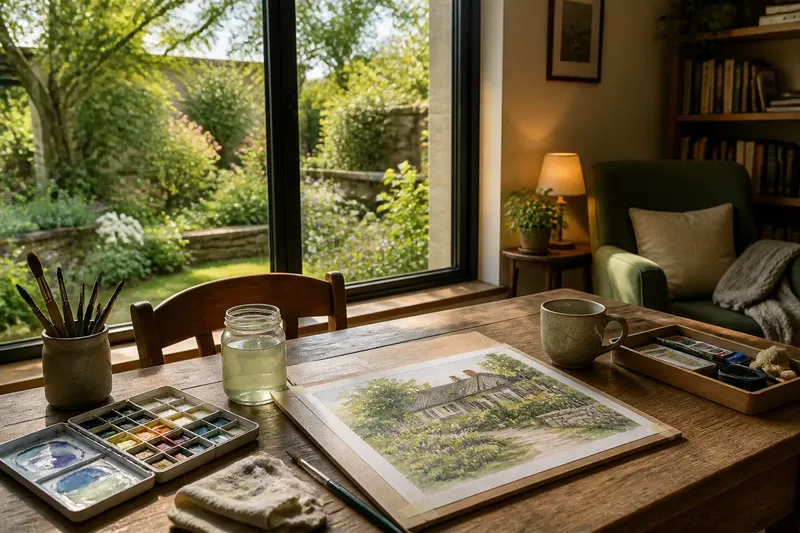
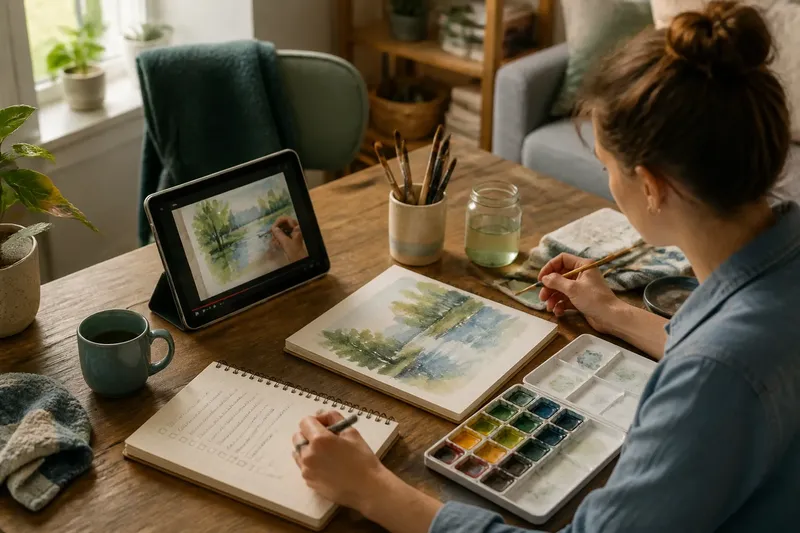
Say you try a beginner watercolour session at a busy kitchen table, using a small brush and a short online lesson. You enjoy mixing colours but find the video hard to follow while people are talking. For a second trial, you could use a printed guide in a quieter room with the same paints; if the process then feels engaging, the setup was part of the problem, while continued irritation with painting itself points towards another pastime.
How can you make a first trial informative?
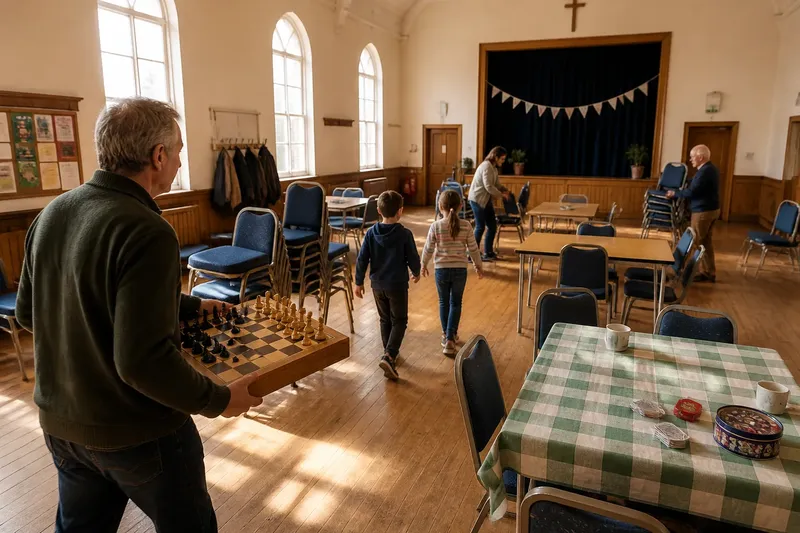
Choose a manageable version with a natural stopping point. Borrow a badminton racket, use a library drawing book or attend a local taster session before committing to equipment or a regular class. Decide what you want to learn from the session, such as whether you enjoy working with your hands or prefer an activity that gets you outdoors.
Afterwards, use this short check to choose a next move:
- Check whether you wanted to continue once the session ended; if yes, try another session, but if no, leave the activity aside.
- Check whether confusing instructions interrupted you; if yes, try a clearer printed guide or ask for help, but if the activity itself felt dull, consider a different pastime.
- Check whether the setting made it hard to concentrate; if yes, change the room, time or company, but if the setting was comfortable and the task still dragged, stop or choose another activity.
- Check whether the necessary equipment was available and usable; if yes, keep using it, but if not, borrow a suitable alternative before deciding whether a purchase makes sense.
- Check whether an ordinary part of the hobby, such as repetition or tidying up, bothered you; if yes, consider whether that demand is acceptable, but if it would make every session unpleasant, move on.
- Check whether you enjoyed the activity even without a polished result; if yes, allow yourself to learn at your own pace, but if only the finished product appealed, look for a pastime whose process you also like.
Keep the question narrow. You are not deciding whether to become a musician, painter or regular class attendee; you are deciding whether one more session, perhaps under different conditions, has something to offer.
When should you try again, adjust or stop?
Try again when curiosity remains and you can name a change that would make the next session more informative. Change one condition at a time—perhaps the instructions, setting or pace—so you can tell what improved the experience. If the core activity felt draining, you can stop without treating that choice as a failure.
Imagine you borrow a knitting kit with a simple pattern and try it at home after dinner. You like choosing the yarn but lose track of the stitches because the pattern uses unfamiliar abbreviations. You look up a diagram and try the same small section the next afternoon; if the clearer instructions make the hand movements enjoyable, you have a reason to continue, but if the repetition still feels tedious, you have learnt that knitting may not suit you.
A hobby need not become a routine to count as enjoyable. You may like one printmaking workshop and have no wish to buy carving tools or attend again. A pleasant afternoon or a clearer sense of your preferences is a complete result.
Which questions help you assess a new hobby?
How many times should I try a new hobby?
There is no fixed number. Try again if you can name something you still want to discover or a practical change that could improve the experience; stop if the central activity holds no appeal.
What if I am bad at it?
Early awkwardness mostly reflects unfamiliarity, not whether you can enjoy the pastime. Ask whether learning feels tolerable or interesting rather than expecting immediate competence.
Should I buy supplies before I begin?
Borrow, share or use basic materials where practical, so you can judge the activity before investing in specialist equipment. Check the class or venue’s instructions before bringing or using materials there.
Can I enjoy a hobby if I do it only occasionally?
Yes. Some activities are satisfying as one-off sessions, while others suit a regular rhythm. Choose according to your available time and appetite for practice.
What counts as a good fit?
Look for willingness, not a revelation. Would you choose another session? Is there a part you want to understand or experience again? A modest yes can justify another trial; a clear no is enough to move on.
The perfect hobby match remains a myth, but assessing a first attempt can be straightforward: notice what you enjoyed, identify any fixable obstacle and decide whether the activity’s ordinary demands suit you. That is a useful way to choose a pastime without asking one imperfect session to settle the question for good.
If you return to the ukulele, try the same chord slowly with a clear diagram nearby, then listen for whether the sound and practice hold your interest. The next useful clue is not a flawless chord; it is whether you want to pick the instrument up again.